
-
×
 Functional Understanding of Human Rehabilitation By Leonard Van Gelder
1 × $139.00
Functional Understanding of Human Rehabilitation By Leonard Van Gelder
1 × $139.00 -
×
 The Lost Art Of Feinting by Teddy Atlas
1 × $5.00
The Lost Art Of Feinting by Teddy Atlas
1 × $5.00 -
×
 Manifest Magic Workshop By Priestess
1 × $62.00
Manifest Magic Workshop By Priestess
1 × $62.00 -
×
 0 To Full-Time eBay Seller By Zain Shah
1 × $5.00
0 To Full-Time eBay Seller By Zain Shah
1 × $5.00 -
×
 Online Course Multi-Pack (Complete Rehab Programming 1+2+3) By Tim Keeley
1 × $101.00
Online Course Multi-Pack (Complete Rehab Programming 1+2+3) By Tim Keeley
1 × $101.00 -
×
 The Three Transformations: How to Convert Your Energies By Sixty Skills
1 × $6.00
The Three Transformations: How to Convert Your Energies By Sixty Skills
1 × $6.00 -
×
 Audience Building 2.0 By Sahil Bloom
1 × $23.00
Audience Building 2.0 By Sahil Bloom
1 × $23.00 -
×
 Master Phone Training By Andy Elliott
1 × $194.00
Master Phone Training By Andy Elliott
1 × $194.00 -
×
 Celebrity Syndicate 2023: Training + Recordings + Templates By Mark Lack & Mike Balmaceda
1 × $418.00
Celebrity Syndicate 2023: Training + Recordings + Templates By Mark Lack & Mike Balmaceda
1 × $418.00 -
×
 How To Bounce Back Digital Bundle By John Demartini
1 × $31.00
How To Bounce Back Digital Bundle By John Demartini
1 × $31.00 -
×
 Heart Coach With Annie Lalla
1 × $78.00
Heart Coach With Annie Lalla
1 × $78.00 -
×
 Strategies of a Winning Trader 2023 By Gareth Soloway
1 × $209.00
Strategies of a Winning Trader 2023 By Gareth Soloway
1 × $209.00 -
×
 Trend Surfer AI By Rhodes Brothers
1 × $23.00
Trend Surfer AI By Rhodes Brothers
1 × $23.00 -
×
 Lux Travel Hacks By Andy Cantu
1 × $23.00
Lux Travel Hacks By Andy Cantu
1 × $23.00 -
×
 The Webinar Launchpad 2022 By Jon Schumacher
1 × $109.00
The Webinar Launchpad 2022 By Jon Schumacher
1 × $109.00 -
×
 Lighting 101 By Pye Jirsa & SLR Lounge
1 × $5.00
Lighting 101 By Pye Jirsa & SLR Lounge
1 × $5.00 -
×
 Fix Injury University Bundle By Got Rom
1 × $116.00
Fix Injury University Bundle By Got Rom
1 × $116.00 -
×
 Photographers Guide to Marketing By Scott Robert Lim
1 × $5.00
Photographers Guide to Marketing By Scott Robert Lim
1 × $5.00 -
×
![Full Body [P]Rehab By The Prehab Guys - Free Download](https://s3.amazonaws.com/media.hikazon.com/wp-content/uploads/2024/02/10091334/Full-Body-PRehab-By-The-Prehab-Guys-Free-Download-600x400.jpg) Full Body [P]Rehab By The Prehab Guys
1 × $155.00
Full Body [P]Rehab By The Prehab Guys
1 × $155.00 -
×
 TikTok Blueprint by Digital Income Project
1 × $5.00
TikTok Blueprint by Digital Income Project
1 × $5.00 -
×
 Skipping Levels All Access Pass By Peggy McColl
1 × $104.00
Skipping Levels All Access Pass By Peggy McColl
1 × $104.00 -
×
 Train the Trainer Online Certification Program 2022 By Jack Canfield
1 × $124.00
Train the Trainer Online Certification Program 2022 By Jack Canfield
1 × $124.00 -
×
 The Power Of Instagram By Club Life Design
1 × $5.00
The Power Of Instagram By Club Life Design
1 × $5.00 -
×
 New Coach Society By Lattice Hudson
1 × $78.00
New Coach Society By Lattice Hudson
1 × $78.00 -
×
 Fashion Photography: Model Testing with Agencies by Elizabeth Wiseman
1 × $8.00
Fashion Photography: Model Testing with Agencies by Elizabeth Wiseman
1 × $8.00 -
×
 Mikhail Ryabko Archive 1988 (downloadable) By Mikhail Ryabko
1 × $6.00
Mikhail Ryabko Archive 1988 (downloadable) By Mikhail Ryabko
1 × $6.00 -
×
 The Magical Path Online Course By Marc Allen
1 × $15.00
The Magical Path Online Course By Marc Allen
1 × $15.00 -
×
 YouTube Ads For High Ticket Funnels By Kyle Sulerud
1 × $85.00
YouTube Ads For High Ticket Funnels By Kyle Sulerud
1 × $85.00 -
×
 Scalers Method By Alex Micol
1 × $15.00
Scalers Method By Alex Micol
1 × $15.00 -
×
 The Profitable Designer Program + VIP Bonuses (PIF) By Kady Sandel - Aventive Academy
1 × $209.00
The Profitable Designer Program + VIP Bonuses (PIF) By Kady Sandel - Aventive Academy
1 × $209.00 -
×
 Find Your Dream Clients By Aj Cassata - Foundr
1 × $23.00
Find Your Dream Clients By Aj Cassata - Foundr
1 × $23.00 -
×
 Adventures in Dream Travel By Robert Moss - The Shift Network
1 × $54.00
Adventures in Dream Travel By Robert Moss - The Shift Network
1 × $54.00 -
×
 The Behavior Panel Masterclass By Scott Rouse, Mark Bowden, Chase Hughes & Greg Hartley
1 × $78.00
The Behavior Panel Masterclass By Scott Rouse, Mark Bowden, Chase Hughes & Greg Hartley
1 × $78.00 -
×
 Money Breakthrough Business Coach Certification By Kendall Summerhawk
1 × $124.00
Money Breakthrough Business Coach Certification By Kendall Summerhawk
1 × $124.00 -
×
 Personal Magnetism Course By Charisma School
1 × $31.00
Personal Magnetism Course By Charisma School
1 × $31.00 -
×
 Land Flipping 101 Course By Kris Thomas
1 × $209.00
Land Flipping 101 Course By Kris Thomas
1 × $209.00 -
×
 Practice Elegant Handwriting by Selfeduni
1 × $8.00
Practice Elegant Handwriting by Selfeduni
1 × $8.00 -
×
 Photography 101 By Pye Jirsa and SLR Lounge
1 × $5.00
Photography 101 By Pye Jirsa and SLR Lounge
1 × $5.00 -
×
 Yoga and Marma Therapy: 21 Vital Points , Online Immersion By Tias Little
1 × $78.00
Yoga and Marma Therapy: 21 Vital Points , Online Immersion By Tias Little
1 × $78.00 -
×
 The Ultimate Bundle By Huliluts
1 × $23.00
The Ultimate Bundle By Huliluts
1 × $23.00 -
×
 The Daisy Fresh Curriculum: White Belt Bundle By Heath Pedigo
1 × $93.00
The Daisy Fresh Curriculum: White Belt Bundle By Heath Pedigo
1 × $93.00 -
×
 Historic English Abbey Composite Stock Assets 1 by Clinton Lofthouse
1 × $8.00
Historic English Abbey Composite Stock Assets 1 by Clinton Lofthouse
1 × $8.00 -
×
 The Bulletproof Super Bundle By OMNI Body Healthcare
1 × $46.00
The Bulletproof Super Bundle By OMNI Body Healthcare
1 × $46.00 -
×
 Consistent Storybook Characters Using AI by Rebecca Holman
1 × $5.00
Consistent Storybook Characters Using AI by Rebecca Holman
1 × $5.00 -
×
 Messaging Program 2024 By Phoebe Kuhn - The Content Emporium
1 × $209.00
Messaging Program 2024 By Phoebe Kuhn - The Content Emporium
1 × $209.00 -
×
 Coach Certification Program By Brooke Castillo
1 × $218.00
Coach Certification Program By Brooke Castillo
1 × $218.00
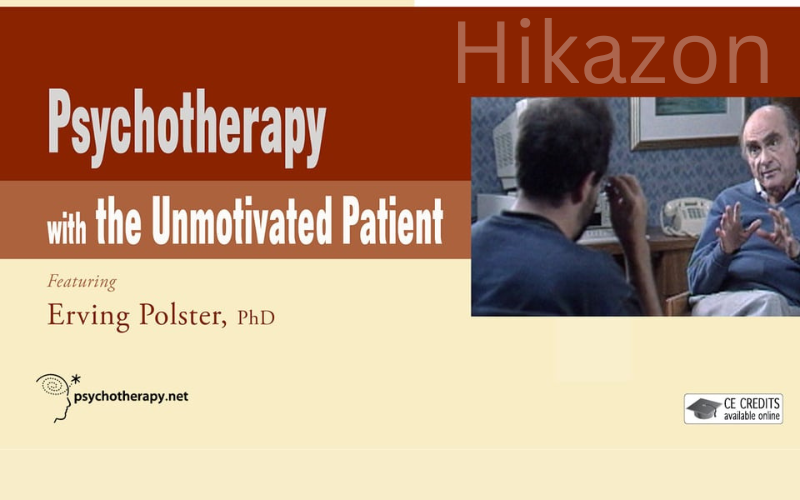
Psychotherapy with the Unmotivated Patient with Erving Polster
$8.00
Psychotherapy with the Unmotivated Patient with Erving Polster – Digital Download!
Content Proof:

Psychotherapy with the Unmotivated Patient
Psychotherapy often feels like a journey through uncharted waters, especially when the patient at the helm appears unmotivated or resistant. In the groundbreaking work “Psychotherapy with the Unmotivated Patient,” authors Erving Polster and Miriam Polster open a window into the intricacies of engaging with clients who seem emotionally aloof or cynical. Through vivid anecdotes and thoughtful commentary, the Polsters delve into the case of a patient named Gerald, who serves as a powerful case study for understanding the complex dynamic between therapist and patient. This unique approach reveals strategies that blend authenticity with responsiveness, showcasing how a shift in perspective can uncover avenues for healing. The Polsters persuade us to rethink traditional concepts of motivation, challenging both therapists and clients to explore the rich landscape of human experience.
Understanding Resistance in Therapy
Resistance is often viewed as a barrier to effective therapy, a brick wall rising between the therapist and patient. However, Erving Polster redefines resistance, suggesting that it can be seen as a protective shield for the unmotivated patient. The traditional view frames unmotivated clients as “difficult,” yet Polster encourages therapists to approach them with curiosity rather than frustration. This shift in mindset allows for a more elegant dance of interaction, one that prioritizes empathy and understanding.
The Role of Humor
One of the standout features of Polster’s approach is his embrace of humor as a therapeutic tool. Humor can act as a bridge, spanning the chasm created by emotional distance. The use of sarcasm and wit allows therapists to connect on a human level, disarming the patient’s defenses without triggering a fight-or-flight response. This playful banter encourages a sense of safety, enabling the client to lower their guard, facilitating genuine dialogue.
To illustrate this concept, consider the analogy of a bridge. A well-placed joke can act as a sturdy beam, providing stability while allowing the therapist and patient to traverse difficult conversations. This humorous exchange not only fosters connection but also creates an environment conducive to exploration and growth.
The Savvy Uncle Approach
Polster likens the ideal therapist to a “savvy uncle,” a figure who combines wisdom with relatability. This approach emphasizes the importance of being adaptable, approachable, and authentic. By positioning themselves as a mentor rather than an authority figure, therapists can encourage clients to view the therapeutic relationship as collaborative rather than adversarial. This perspective fosters a deeper emotional connection, opening doors for productive conversations about motivation and resistance.
In essence, the “savvy uncle” is someone who comfortably blends wisdom with warmth. This multifaceted relationship encourages resilient yet playful interactions, making it easier for clients like Gerald to express their feelings and vulnerabilities, laying the groundwork for transformative therapeutic experiences.
Therapeutic Vignettes: Lessons from Real Sessions
In “Psychotherapy with the Unmotivated Patient,” the Polsters share a series of vignettes that illustrate their therapeutic encounters with Gerald. These narratives serve as teaching moments, revealing how a deeper understanding of the client’s perspective can illuminate the path forward. Through these stories, therapists can glean critical insights about motivational challenges and relational dynamics.
Engaging Present Experiences
One of the most valuable lessons from the vignettes is the importance of attunement to the client’s present experiences. Polster urges therapists to cast aside predetermined notions of therapy and instead tune in to what the patient is presently feeling. This mindfulness creates an intimate understanding of the client’s emotional landscape, encouraging dialogue that feels relevant and immediate.
For instance, when Gerald expressed cynicism toward the therapeutic process, Polster reframed this skepticism as an opportunity for exploration. Instead of challenging Gerald directly, he took a step back, acknowledging his feelings and inviting him to reflect. This not only validated Gerald’s experiences but also allowed the door for change to crack open.
Confrontation vs. Empathy
The balance between confrontation and empathy is delicate yet crucial in the therapeutic process. Polster emphasizes that effective therapy is not merely about confrontation; it’s about being present and empathetic. By using humor and relational tactics, therapists can confront objections without alienating the patient.
Examples from the text reveal how humor can facilitate confrontation effectively. Instead of meeting resistance with rigidity, therapists can invite a more playful exploration of the patient’s defenses. This openness ultimately encourages self-reflection and promotes change, excepting that confrontation can sometimes feel intimidating for the patient.
Key Takeaways from the Vignettes
- Emphasize Present Experiences: Tune into the patient’s current feelings rather than imposing theories or expectations.
- Use Humor Wisely: Employ humor to create connection and ease tensions, transforming resistance into dialogue.
- Foster Relational Dynamics: Build a collaborative alliance that invites exploration without the fear of judgment.
Practical Insights for Clinicians
In addition to the compelling narratives, “Psychotherapy with the Unmotivated Patient” equips therapists with practical tools and insights. The Polsters’ approach transcends theoretical frameworks, ripping away the sterile layers of traditional therapy to reveal the vibrant complexity of human relationships.
The Importance of Context
Therapists are encouraged to consider the broader context surrounding unmotivated clients. Understanding a patient’s life circumstances, including socio-cultural factors, can provide essential context that influences their resistance. This aspect of therapy demands a holistic view, recognizing that motivation isn’t a one-size-fits-all construct but rather a multifaceted phenomenon influenced by external factors.
Some practical questions clinicians can ask include:
- What experiences might have led to this resistance?
- How do socio-cultural factors impact the client’s willingness to engage?
- What kind of environment is the client currently navigating?
Building a Relational Foundation
Polster advocates for the importance of building a relational foundation based on trust and authenticity. This includes:
- Being Genuine: Authenticity breeds authenticity. When therapists are real, clients feel emboldened to share their vulnerabilities.
- Creating Safe Spaces: Ensuring that therapy feels like a safe haven allows for exploration without the worry of harsh judgment.
- Cultivating Empathy: A compassionate approach can disarm even the most stubborn defenses, inviting clients to engage more deeply.
The Role of Gestalt Therapy
The Polsters root their methodology in the rich theoretical framework of Gestalt therapy, emphasizing the communal aspects of the therapeutic relationship. This orientation highlights an understanding of the whole person rather than merely addressing symptoms or behavior.
Gestalt Principles in Practice
Polster’s work emphasizes several key principles from Gestalt therapy, including:
- Awareness: Fostering an understanding of the present experience helps clients connect with their feelings.
- Contact: Encouraging a meaningful and authentic interaction allows clients to feel seen and heard.
- Responsiveness: Therapists should be attuned to the client’s needs, adjusting the therapeutic approach as necessary.
This method encourages therapists to step away from a rigid structure and embrace the fluidity of human connections. By following Gestalt principles, therapists can meet clients where they are, creating space for authentic engagement.
Educational Video Resource
The accompanying video resource provides an educational platform for both seasoned clinicians and trainees, offering a visual component to the principles discussed in the book. In this resource, viewers can gain insights into real-world applications, observing the nuances of how Polster interacts with Gerald and other patients. This visual understanding can deepen one’s comprehension of the interpersonal dynamics at play, enriching the viewer’s practice.
Conclusion
“Psychotherapy with the Unmotivated Patient” by Erving Polster and Miriam Polster reveals crucial insights into engaging with clients who present motivational challenges. By redefining resistance through a more compassionate lens and emphasizing the importance of humor, empathy, and relational dynamics, therapists are equipped to navigate the complexities inherent in human behavior. The Polsters’ approach invites a broader understanding of motivation, challenging traditional therapy frameworks and encouraging a more profound exploration of the therapeutic relationship. Through practical advice and thought-provoking vignettes, this work stands as an indispensable resource for anyone seeking to bridge the gap between therapist and patient in the face of resistance, ultimately fostering a more inclusive and human-centered approach to psychotherapy.
Frequently Asked Questions:
Business Model Innovation: We use a group buying approach that enables users to split expenses and get discounted access to well-liked courses.
Despite worries regarding distribution strategies from content creators, this strategy helps people with low incomes.
Legal Aspects to Take into Account: Our operations’ legality entails several intricate considerations.
There are no explicit resale restrictions mentioned at the time of purchase, even though we do not have the course developers’ express consent to redistribute their content.
This uncertainty gives us the chance to offer reasonably priced instructional materials.
Quality Assurance: We guarantee that every course resource you buy is exactly the same as what the authors themselves are offering.
It’s crucial to realize, nevertheless, that we are not authorized suppliers. Therefore, the following are not included in our offerings:
– Live coaching sessions or calls with the course author.
– Entry to groups or portals that are only available to authors.
– Participation in closed forums.
– Straightforward email assistance from the writer or their group.
Our goal is to lower the barrier to education by providing these courses on our own, without the official channels’ premium services. We value your comprehension of our distinct methodology.
Be the first to review “Psychotherapy with the Unmotivated Patient with Erving Polster”
You must be logged in to post a review.
Related products

Psychology
$148.00


$31.00

$23.00

$93.00

Psychology
$233.00


$54.00


$39.00

Psychology
$233.00

$23.00


Reviews
There are no reviews yet.