
-
×
 MindFrame Persuasion By Ross Jeffries
1 × $6.00
MindFrame Persuasion By Ross Jeffries
1 × $6.00 -
×
 Data Modeling for Power BI Video Course By Sqlbi
1 × $78.00
Data Modeling for Power BI Video Course By Sqlbi
1 × $78.00 -
×
 13 Stories By Dan Henry
1 × $23.00
13 Stories By Dan Henry
1 × $23.00 -
×
 HYPNO WRITING BUNDLE - The Best Way to Copywrite It + Train Ride to Greatness By Joshua Lisec
1 × $62.00
HYPNO WRITING BUNDLE - The Best Way to Copywrite It + Train Ride to Greatness By Joshua Lisec
1 × $62.00 -
×
 The Trio Bundle by Fluent University
1 × $5.00
The Trio Bundle by Fluent University
1 × $5.00 -
×
 Transformation Codes Bundle 2023 By Unlock Your Design Academy
1 × $54.00
Transformation Codes Bundle 2023 By Unlock Your Design Academy
1 × $54.00 -
×
 The Webinar Launchpad 2022 By Jon Schumacher
1 × $109.00
The Webinar Launchpad 2022 By Jon Schumacher
1 × $109.00 -
×
 Technique Series Set of 10 Videos By Tom Myers
1 × $54.00
Technique Series Set of 10 Videos By Tom Myers
1 × $54.00 -
×
 Art Nude Portraiture - 2022 Complete Bundle By Matt Granger
1 × $62.00
Art Nude Portraiture - 2022 Complete Bundle By Matt Granger
1 × $62.00 -
×
 YouTube Ads For High Ticket Funnels By Kyle Sulerud
1 × $85.00
YouTube Ads For High Ticket Funnels By Kyle Sulerud
1 × $85.00 -
×
 Power Writing - Become 2x Better at Writing in 8 Days By Shaan Puri
1 × $5.00
Power Writing - Become 2x Better at Writing in 8 Days By Shaan Puri
1 × $5.00 -
×
 Content + List Academy By Paige Brunton
1 × $23.00
Content + List Academy By Paige Brunton
1 × $23.00 -
×
 The SMMA Academy Plus 2023 By Sander Stage
1 × $23.00
The SMMA Academy Plus 2023 By Sander Stage
1 × $23.00 -
×
 Custom Vibrational Healing By Robert Gilbert
1 × $62.00
Custom Vibrational Healing By Robert Gilbert
1 × $62.00 -
×
 TextAppeal: Guys and Girls Versions - The Ultimate Texting Guide by Michael Masters
1 × $5.00
TextAppeal: Guys and Girls Versions - The Ultimate Texting Guide by Michael Masters
1 × $5.00 -
×
 The Revive Her Drive - Relationship Magic By Tim & Susan Bratton
1 × $5.00
The Revive Her Drive - Relationship Magic By Tim & Susan Bratton
1 × $5.00 -
×
 The Year of Manifestation By Shefali Tsabary
1 × $233.00
The Year of Manifestation By Shefali Tsabary
1 × $233.00 -
×
 The Only Astra Academy By Jermaine Francois
1 × $15.00
The Only Astra Academy By Jermaine Francois
1 × $15.00 -
×
 Ultimate Collection (28 Courses) - Make A Better Sex And Life By Gabrielle Moore
1 × $46.00
Ultimate Collection (28 Courses) - Make A Better Sex And Life By Gabrielle Moore
1 × $46.00 -
×
 The IG Bootcamp By Katy Amezcua
1 × $23.00
The IG Bootcamp By Katy Amezcua
1 × $23.00 -
×
 Visualized Anatomy - The Complete Collection By Raphael Bender & Heath Lander
1 × $39.00
Visualized Anatomy - The Complete Collection By Raphael Bender & Heath Lander
1 × $39.00 -
×
 Nadi Jyotish By The Vedic Vision
1 × $78.00
Nadi Jyotish By The Vedic Vision
1 × $78.00 -
×
 The Mind - Body Connection (Videos Only) By John Demartini
1 × $31.00
The Mind - Body Connection (Videos Only) By John Demartini
1 × $31.00 -
×
 Epic Relationship By Caitlin V
1 × $5.00
Epic Relationship By Caitlin V
1 × $5.00 -
×
 Profitable Flashloans By Julien Klepatch - EatTheBlocks Pro
1 × $8.00
Profitable Flashloans By Julien Klepatch - EatTheBlocks Pro
1 × $8.00 -
×
 Go Gram Grow By Rachel Pedersen
1 × $31.00
Go Gram Grow By Rachel Pedersen
1 × $31.00 -
×
 Get Allison’s New SPX Lotto Pins Formula - Pro Package - Simpler Trading
1 × $62.00
Get Allison’s New SPX Lotto Pins Formula - Pro Package - Simpler Trading
1 × $62.00 -
×
 Getting Started Web Development Tools and Resources 2020 By Stone River eLearning
1 × $15.00
Getting Started Web Development Tools and Resources 2020 By Stone River eLearning
1 × $15.00 -
×
 90 DAY VA 2023 By Esther Inman
1 × $23.00
90 DAY VA 2023 By Esther Inman
1 × $23.00 -
×
 South African Shamanic Wisdom By John Lockley - The Shift Network
1 × $54.00
South African Shamanic Wisdom By John Lockley - The Shift Network
1 × $54.00 -
×
 Unlimited Lover By David Snyder - NLPPower
1 × $23.00
Unlimited Lover By David Snyder - NLPPower
1 × $23.00 -
×
 Search Marketing Institute Local SEO By Stephen Floyd
1 × $6.00
Search Marketing Institute Local SEO By Stephen Floyd
1 × $6.00 -
×
 Drone Pro Academy Professional By Chris Newman
1 × $39.00
Drone Pro Academy Professional By Chris Newman
1 × $39.00 -
×
 AI For Traders By Trading Markets
1 × $31.00
AI For Traders By Trading Markets
1 × $31.00 -
×
 The Hedge (All Courses) By Imran Lakha - SpotGamma Academy
1 × $39.00
The Hedge (All Courses) By Imran Lakha - SpotGamma Academy
1 × $39.00 -
×
 Trading Alphas: Mining, Optimisation, and System Design By Thomas Starke - QuantInsti
1 × $54.00
Trading Alphas: Mining, Optimisation, and System Design By Thomas Starke - QuantInsti
1 × $54.00 -
×
 Surefire SEO Course By Stephen Hockman
1 × $54.00
Surefire SEO Course By Stephen Hockman
1 × $54.00 -
×
 Overcome Back Pain Course By Stretch Theraphy
1 × $31.00
Overcome Back Pain Course By Stretch Theraphy
1 × $31.00 -
×
 The Virtual Assistant Academy By Emily Hirsh
1 × $54.00
The Virtual Assistant Academy By Emily Hirsh
1 × $54.00 -
×
 Texting Titan!: 120 Tips to Avoid Mistakes and Become More Attractive When Texting Women by Marc Summers
1 × $5.00
Texting Titan!: 120 Tips to Avoid Mistakes and Become More Attractive When Texting Women by Marc Summers
1 × $5.00 -
×
 Hypnotic Journeys By Igor Ledochowski
1 × $15.00
Hypnotic Journeys By Igor Ledochowski
1 × $15.00 -
×
 Day Trading MasterClass By Tyrone Abela - FX Evolution
1 × $139.00
Day Trading MasterClass By Tyrone Abela - FX Evolution
1 × $139.00 -
×
 Tantra Massage Through The 7 Chakras By Tantra Garden
1 × $78.00
Tantra Massage Through The 7 Chakras By Tantra Garden
1 × $78.00 -
×
 The Polyvagal Learning Labs By Rhythm of Regulation Online 2023
1 × $54.00
The Polyvagal Learning Labs By Rhythm of Regulation Online 2023
1 × $54.00 -
×
 Lux Travel Hacks By Andy Cantu
1 × $23.00
Lux Travel Hacks By Andy Cantu
1 × $23.00 -
×
 The Awakened Heart By Shefali Tsabary
1 × $233.00
The Awakened Heart By Shefali Tsabary
1 × $233.00 -
×
 How to Use Crystals and Gemstones By Vesica
1 × $62.00
How to Use Crystals and Gemstones By Vesica
1 × $62.00 -
×
 Inspired Destiny By John Demartini
1 × $31.00
Inspired Destiny By John Demartini
1 × $31.00 -
×
 Wai's Kung Fu Complete Ving Tsun System - Maximum Learning Bundle By Wayne Belonoha
1 × $78.00
Wai's Kung Fu Complete Ving Tsun System - Maximum Learning Bundle By Wayne Belonoha
1 × $78.00 -
×
 Heart Coach With Annie Lalla
1 × $78.00
Heart Coach With Annie Lalla
1 × $78.00 -
×
 Learn to Draw: Interiors By Amy Wynne
1 × $5.00
Learn to Draw: Interiors By Amy Wynne
1 × $5.00 -
×
 Beyond Form By Bree Melanson
1 × $54.00
Beyond Form By Bree Melanson
1 × $54.00 -
×
 The Goddess Unveiled By Tantra Garden
1 × $23.00
The Goddess Unveiled By Tantra Garden
1 × $23.00
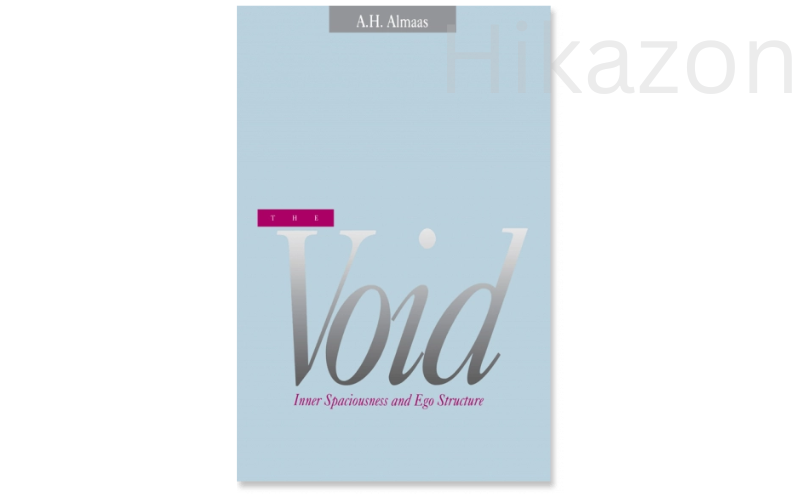
The Void: Inner Spaciousness and Ego Structure (Diamond Mind) By Hameed Ali
$6.00
The Void: Inner Spaciousness and Ego Structure (Diamond Mind) By Hameed Ali – Digital Download!
Content Proof:

The Void: Inner Spaciousness and Ego Structure
The journey into the depths of human consciousness is a complex tapestry woven from threads of psychology, spirituality, and personal introspection. In “The Void: Inner Spaciousness and Ego Structure,” A.H. Almaas, writing as Hameed Ali, invites readers to embark on an enlightening exploration of the intricate relationship between the ego and the concept of inner spaciousness. This seminal work, the first volume in the Diamond Mind series, blends Freudian psychological insights with eastern philosophies, offering a comprehensive framework for understanding the self and its transformative potential. Through this extensive synthesis, Almaas propels his readers toward a profound realization: the understanding of inner spaciousness may be key to unlocking the gates of personal transformation and psychological healing.
Understanding Inner Spaciousness
The Essence of Inner Spaciousness
At the heart of Almaas’s exploration lies the notion of “inner spaciousness.” Unlike the chaos that often inundates our minds, inner spaciousness is described not as a void, but as a vast expanse that allows for self-exploration and healing. Almaas posits that this inner space is essential for anyone seeking to transcend their current psychological limitations. Think of it as a blank canvas; only when the canvas is untainted can it receive strokes of creativity, emotion, and life experiences.
The text elaborates that when one taps into this inner spaciousness, they begin to loosen the tightly held structures of the ego. This act of loosening can be thought of as shedding winter layers to embrace the budding warmth of spring. In this context, the exploration of inner space becomes a transformative process, enabling individuals to confront their self-image, boundaries, and the intimacy of their thoughts.
The Role of Boundaries in Inner Spaciousness
Boundaries play a crucial role in how we experience inner spaciousness. Almaas highlights that often, our self-image is constrained by rigid boundaries that define who we think we are. These boundaries serve as the walls of a prison, keeping us confined and preventing the natural flow of consciousness. By dismantling these constructs, individuals can begin to fill their internal landscapes with light and potential.
This notion can be illustrated through the example of a flower blooming. The flower must push through the soil, breaking the ground much like how one must break through the self-imposed limitations to experience the vastness of their inner world. Almaas encourages a gentle self-inquiry, probing beneath the surface to uncover the beliefs and fears that shape these boundaries.
The Transformation Process
Space as a Precursor to Change
Within the text, Almaas meticulously outlines the unique role that inner space plays in transformation. Unlike external changes which often provide fleeting satisfaction internal transformations offer lasting fulfillment. The author argues that encountering the vastness of inner space can profoundly shift one’s perception and foster self-acceptance.
Consider the metaphor of a caterpillar transforming into a butterfly. The caterpillar must first enter a state of transformation, where it appears to dissolve into a viscous soup, just as one’s ego structures may feel chaotic before revealing the profound clarity of inner spaciousness. This metamorphosis embodies the dangers and challenges of change, urging individuals to embrace the uncertainty of shedding old identities.
- Claims of Transformation:
- Encountering inner spaciousness can lead to deeper self-acceptance.
- Psychological healing is facilitated through recognizing and experiencing spaciousness.
- Benefits of Embracing Transformation:
- Lasting inner peace.
- Enhanced creative flow and expression.
- Improved relationships mediated by deeper self-understanding.
Navigating Different Forms of Emptiness
In the book, Almaas also differentiates between various forms of emptiness, each presenting its unique challenges and opportunities. This nuanced approach allows readers to assess their experiences with clarity and intention. The three main categories of emptiness discussed include:
- Existential Emptiness: A profound sense of absence that prompts individuals to seek meaning and purpose.
- Psychological Emptiness: An emotional void stemming from unresolved trauma, insecurities, or stagnant relationships.
- Spiritual Emptiness: While often misconstrued as a negative experience, spiritual emptiness can serve as a fertile ground for awakening.
By identifying which type of emptiness resonates with their own experiences, readers can navigate their journey towards inner spaciousness with a seasoned understanding of the landscape of their consciousness.
Insights from Psychological Theories
Integrating Eastern Philosophy with Western Psychology
Hameed Ali’s unique approach lies in his ability to fuse eastern philosophical concepts with Freudian psychology. This integration is not merely an academic exercise but a genuine pursuit to retrieve ancient wisdom that can illuminate contemporary psychological phenomena. By doing so, Almaas opens new pathways for healing in a world often dominated by rigid psychological frameworks.
Psychological insights presented in the book suggest that the ego, when overly protective, often builds walls that obscure inner spaciousness. Almaas prompts readers to ponder: What lies on the other side of these walls? By integrating mindfulness practices from eastern philosophies, such as meditation and self-inquiry, readers are introduced to practical strategies designed to engage with their inner landscapes actively.
The Psychological Framework
A significant portion of “The Void” deals with contemporary object relations theory and Freudian ego psychology. Almaas proposes that self-image and ego structures are deeply influenced by external relationships and our intrinsic nature. This claim is supported by empirical evidence within psychological studies suggesting that one’s self-perception often mirrors early relational dynamics.
- Key Theories Discussed:
- Object Relations Theory: The impact of relationships on self-image.
- Freudian Psychology: Exploration of ego and its defense mechanisms.
- Practical Applications:
- Mindfulness and meditation as tools for accessing inner space.
- Strategies for redefining self-concepts beyond societal expectations.
Concluding Thoughts
In the grand tapestry of personal transformation, “The Void: Inner Spaciousness and Ego Structure” by A.H. Almaas serves as a luminous thread, guiding readers towards introspective explorations of self and consciousness. Almaas’s profound insight that inner spaciousness can act as a precursor to transformation beckons individuals to confront their self-imposed limitations and societal definitions. By navigating the complexities of the ego through the lens of spaciousness and emptiness, readers are offered a path to psychological and spiritual healing unlike any other.
Through the amalgamation of western psychological theories and eastern philosophies, this book does more than simply provide a theoretical framework; it inspires a movement toward a deeper understanding of what it means to be human. As one embarks on this transformative journey, they are encouraged to thrive beyond the confines of their ego, embracing the boundless potential of their inner spaces. For those seeking to unlock the doors of self-discovery and personal growth, the exploration presented in this text stands as an essential guide, paving the way toward authentic lived experiences. Herein lies the beauty of transformation, cradled in the wisdom of the void.
Frequently Asked Questions:
Business Model Innovation: We use a group buying approach that enables users to split expenses and get discounted access to well-liked courses.
Despite worries regarding distribution strategies from content creators, this strategy helps people with low incomes.
Legal Aspects to Take into Account: Our operations’ legality entails several intricate considerations.
There are no explicit resale restrictions mentioned at the time of purchase, even though we do not have the course developers’ express consent to redistribute their content.
This uncertainty gives us the chance to offer reasonably priced instructional materials.
Quality Assurance: We guarantee that every course resource you buy is exactly the same as what the authors themselves are offering.
It’s crucial to realize, nevertheless, that we are not authorized suppliers. Therefore, the following are not included in our offerings:
– Live coaching sessions or calls with the course author.
– Entry to groups or portals that are only available to authors.
– Participation in closed forums.
– Straightforward email assistance from the writer or their group.
Our goal is to lower the barrier to education by providing these courses on our own, without the official channels’ premium services. We value your comprehension of our distinct methodology.
Be the first to review “The Void: Inner Spaciousness and Ego Structure (Diamond Mind) By Hameed Ali”
You must be logged in to post a review.
Related products

Self-Advancement
$62.00

Self-Advancement
$194.00
Self-Advancement
$54.00

$209.00
Self-Advancement
$23.00

Self-Advancement
$5.00

Self-Advancement
Train the Trainer Online Certification Program 2022 By Jack Canfield
$124.00

Self-Advancement
$23.00

Self-Advancement
$54.00

Self-Advancement
$15.00

$233.00

Self-Advancement
$109.00

Self-Advancement
$31.00

Self-Advancement
$132.00

Self-Advancement
$78.00

Reviews
There are no reviews yet.